Science
What is an insect?
Quick answer
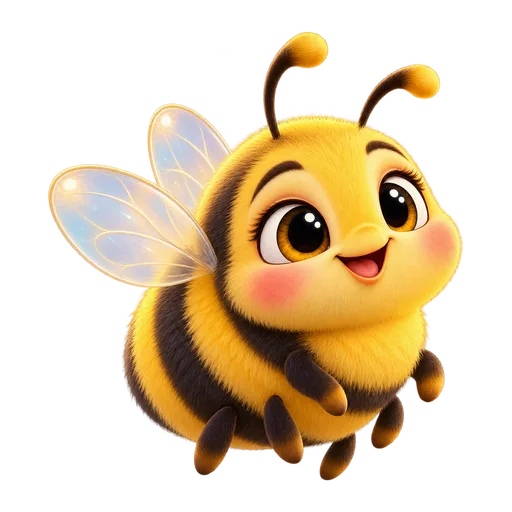
Insects are small animals with six legs, three body parts and usually wings. Bees, ants, butterflies and beetles are insects. Spiders are not, because they have eight legs.

In one sentence
An insect is an animal with six legs, a body in three parts and a hard outer skeleton, and most insects have wings.
Explained
Insects are the biggest group of animals on Earth. More than a million kinds have been named, and scientists think there are many more still unknown. An insect always has these features:
- Six legs, all attached to the middle part of the body.
- Three body parts: the head, the thorax (the middle, where legs and wings attach) and the abdomen (the back part).
- Two antennae (feelers) for smelling and touching.
- A hard outer shell, called an exoskeleton, instead of bones inside.
- Wings in most adult insects, usually four, although flies have two.
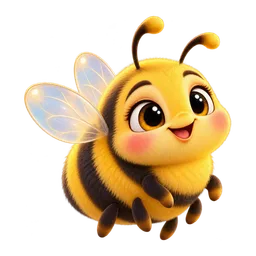 bee
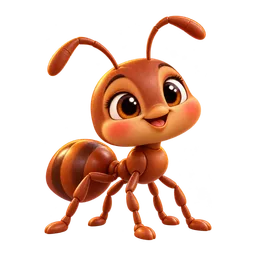 ant
 butterfly
Spiders, scorpions and ticks have eight legs, so they are arachnids, not insects. Worms, snails and centipedes are not insects either.
Many insects change their body shape as they grow. Butterflies go through four stages: egg, caterpillar (larva), chrysalis (pupa) and adult. This is called complete metamorphosis. Grasshoppers have three: egg, nymph (a small version of the adult) and adult. See life cycles.
Insects do jobs that matter to us. Bees and butterflies carry pollen from flower to flower, which helps plants make seeds and fruit (see parts of a plant). Ants and beetles recycle dead material. Insects are food for birds, frogs and many other animals. Some, such as mosquitoes, can spread disease, and some eat crops, but most are harmless or helpful.
Insects have no backbone, so they are invertebrates: see vertebrates and invertebrates.
Examples
| Insect | Special feature |
|---|---|
| Honeybee | lives in a hive and makes honey |
| Ant | lives in a big colony, carries heavy loads |
| Butterfly | wings with tiny scales, drinks nectar |
| Ladybird | beetle that eats pests |
| Dragonfly | fast flyer with big eyes |
Common mistakes
- "Spiders are insects." They have eight legs, so they are arachnids.
- "Insects have bones." They have a hard outer skeleton.
- "All insects sting or bite." Most do neither.
Quick quiz
Insects
Check what you know with 4 quick questions.
Question 1 of 4
How many legs does an insect have?
Practise it
Try it
Practise it step by step in a full course: Grade 3 Science
For grown-ups
Related topics
Life cycles
A life cycle is the series of changes a living thing goes through from the start of its life to becoming an adult that can produce young, so the cycle begins again.

Living things
Living things are organisms that grow, feed, get rid of waste, sense the world and reproduce. Plants, animals, fungi and bacteria are all alive.

Vertebrates and invertebrates
Vertebrates are animals with a backbone, like fish, amphibians, reptiles, birds and mammals. Invertebrates have no backbone, like insects, spiders, snails, worms and jellyfish.

Adaptation
An adaptation is a feature or behaviour that helps a living thing survive where it lives. A polar bear's thick fur and a cactus's spines are adaptations.
Amphibians
Amphibians are cold-blooded animals with thin, moist skin that live part of their lives in water and part on land. Frogs, toads, newts and salamanders are amphibians.
Birds
Birds are warm-blooded animals with feathers, wings and a beak. They lay hard-shelled eggs, and most can fly. Penguins, ostriches and parrots are all birds.