Science
What is an amphibian?
Quick answer
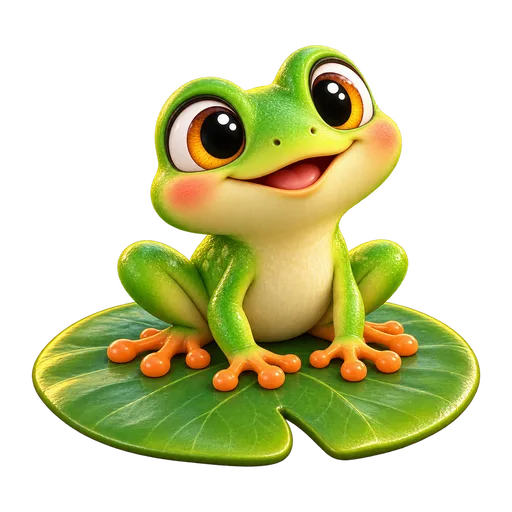
Amphibians are cold-blooded animals with thin, moist skin that live part of their lives in water and part on land. Frogs, toads, newts and salamanders are amphibians.

In one sentence
Amphibians are animals that start life in water with gills and, as adults, usually live on land and breathe air.
Explained
The word amphibian comes from Greek and means "double life". Most amphibians really do live two lives. They begin in water, then change their body shape to live on land. The main groups are frogs and toads, newts and salamanders, and the legless caecilians.
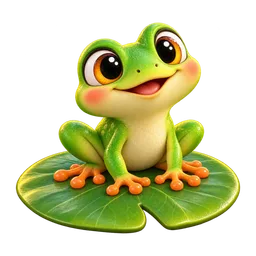 frog
 fish
 snail
Amphibians are cold-blooded, so their body temperature follows the weather. Their skin is thin and damp, and they breathe partly through it, as well as with lungs. That is why they must stay in or near water or in damp places. Toads have drier, warty skin and can live farther from water than frogs.
The change from one stage to another is called metamorphosis. For a frog it goes like this:
Step by step
- Eggs.The female lays lots of jelly-like eggs, called frogspawn, in water.
- Tadpole.The eggs hatch into tadpoles that swim with a tail and breathe through gills.
- Froglet.Back legs, then front legs grow, lungs form and the tail shrinks.
- Adult frog.It leaves the water, breathes air and hunts insects with a sticky tongue.
This pattern is a classic life cycle. Unlike reptiles, amphibians do not have scales, and their eggs have no hard shell, so they dry out on land.
Because amphibians absorb water and chemicals through their skin, they are very sensitive to pollution. Scientists watch them as a warning signal for the health of ponds and wetlands. Sadly, many amphibian species are at risk from disease, habitat loss and climate change. A garden pond with shady plants can give frogs, newts and toads a safe home; see habitats.
Examples
| Amphibian | Notes |
|---|---|
| Common frog | smooth, moist skin, jumps |
| Toad | drier, warty skin, walks or hops |
| Newt | long body and tail, lives near ponds |
| Axolotl | a salamander that stays in water all its life |
Common mistakes
- "Frogs and toads are the same." They are related, but toads have drier, bumpier skin.
- "Amphibians are reptiles." They have no scales and need moist skin.
- "Tadpoles are fish." They look like fish, but they become frogs.
Quick quiz
Amphibians
Check what you know with 4 quick questions.
Question 1 of 4
Which is an amphibian?
Practise it
Try it
Practise it step by step in a full course: Grade 3 Science
For grown-ups
Related topics

Life cycles
A life cycle is the series of changes a living thing goes through from the start of its life to becoming an adult that can produce young, so the cycle begins again.

Habitats
A habitat is the natural home of a living thing, where it finds the food, water, shelter and space it needs to survive.

Reptiles
Reptiles are cold-blooded animals with dry, scaly skin. Snakes, lizards, turtles, tortoises and crocodiles are reptiles, and most of them lay eggs on land.

Adaptation
An adaptation is a feature or behaviour that helps a living thing survive where it lives. A polar bear's thick fur and a cactus's spines are adaptations.
Birds
Birds are warm-blooded animals with feathers, wings and a beak. They lay hard-shelled eggs, and most can fly. Penguins, ostriches and parrots are all birds.

Blood
Blood is the red liquid pumped around your body by your heart. It carries oxygen and food to every cell, takes away waste and helps fight germs and heal wounds.